


news
Introduction
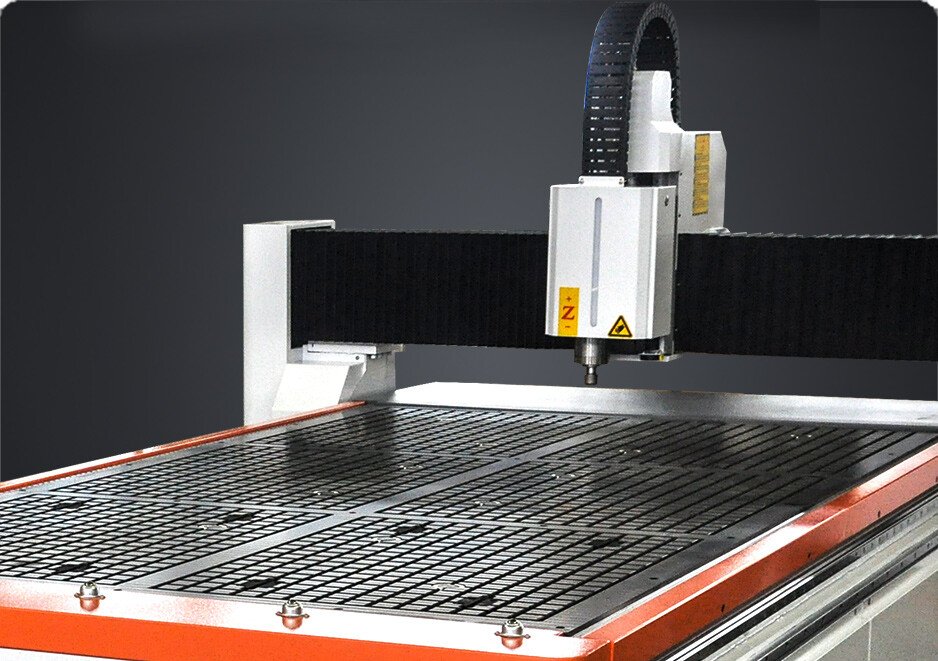
CNC milling machines are essential for precision steel processing, but operators often face challenges like tool wear, vibration, and dimensional inaccuracies. This guide explores common CNC milling machine problems in steel fabrication, providing actionable solutions to improve efficiency and reduce downtime for operators, managers, and decision-makers.
1. Tool Wear and Breakage in Steel Milling
One of the most frequent issues encountered in CNC milling machines when processing steel is tool wear and breakage. Steel's hardness and abrasiveness accelerate tool degradation, leading to poor surface finishes and dimensional inaccuracies. Common causes include improper tool selection, excessive cutting speeds, and inadequate coolant application.
To mitigate this problem, operators should:
- Use carbide or coated tools designed specifically for steel milling
- Optimize cutting parameters (speed, feed rate, and depth of cut) based on steel grade
- Implement proper coolant strategies to reduce heat buildup
- Establish regular tool inspection and replacement schedules
According to industry studies, proper tool maintenance can extend tool life by up to 40% in steel machining applications.
2. Vibration and Chatter During Operation
Vibration and chatter in CNC milling machines can significantly impact surface quality and dimensional accuracy when working with steel. These issues often stem from machine rigidity problems, improper workholding, or suboptimal cutting parameters.
Effective solutions include:
- Ensuring proper machine foundation and leveling
- Using rigid workholding fixtures specifically designed for steel components
- Implementing vibration-dampening tool holders
- Adjusting spindle speeds to avoid harmonic frequencies
For particularly challenging steel alloys, consider using variable helix end mills that can help break up harmonic vibration patterns.
3. Dimensional Inaccuracies in Steel Parts
Achieving tight tolerances in steel components requires addressing multiple potential sources of dimensional variation. Thermal expansion, tool deflection, and machine calibration issues can all contribute to inaccuracies in CNC milling operations.
To improve dimensional accuracy:
- Implement temperature control in the machining environment
- Use high-precision tool presetters and compensation systems
- Schedule regular machine calibration and maintenance
- Consider adaptive machining strategies that account for material variations
Modern CNC milling machines equipped with laser measurement systems can achieve micron-level accuracy in steel processing when properly maintained.
4. Surface Finish Challenges in Steel Machining
Poor surface finish in steel components can lead to functional issues and increased post-processing requirements. Common causes include tool wear, improper cutting parameters, and machine vibration.
To achieve superior surface quality:
- Optimize feed rates and stepovers for finishing operations
- Use specialized finishing tools with appropriate geometries
- Implement high-pressure coolant systems for chip evacuation
- Consider trochoidal milling strategies for difficult-to-machine steels
For critical applications, surface roughness measurements should be integrated into the quality control process to ensure consistency.
5. Chip Control and Evacuation Issues
Steel machining generates significant chip volumes that can interfere with the milling process if not properly managed. Poor chip control can lead to tool damage, surface defects, and even safety hazards.
Effective chip management strategies include:
- Selecting cutting tools with optimized chipbreaker geometries
- Implementing high-pressure coolant systems (minimum 1000 psi for tough steels)
- Using through-tool coolant delivery when available
- Programming appropriate peck cycles for deep cavity milling
For automated production lines, consider integrating chip conveyors and filtration systems to maintain continuous operation.
6. Machine Downtime and Maintenance Challenges
Unplanned downtime in CNC milling operations can significantly impact production schedules and profitability, particularly in high-volume steel processing environments.
To minimize downtime:
- Implement predictive maintenance programs using vibration analysis and thermal monitoring
- Maintain an inventory of critical spare parts specific to steel milling operations
- Train operators in basic troubleshooting and maintenance procedures
- Schedule regular lubrication and way cover inspections
Industry data shows that proactive maintenance can reduce CNC milling machine downtime by up to 50% in steel fabrication facilities.
Conclusion and Next Steps
Addressing common CNC milling machine problems in steel processing requires a combination of proper equipment selection, optimized machining parameters, and proactive maintenance strategies. By implementing the solutions outlined in this guide, manufacturers can significantly improve productivity, part quality, and overall equipment effectiveness.
For operations facing persistent challenges with their CNC milling machines in steel applications, consulting with experienced machining specialists can provide customized solutions tailored to specific production requirements and material characteristics.
Contact our team of steel machining experts today to discuss how we can help optimize your CNC milling operations and overcome your most pressing production challenges.
RECENT NEWS
Online Message
Inquire Now
Your comprehensive manufacturing solutions partner, we empower global enterprises to optimize production efficiency and drive business growth through our self-developed CNC equipment, proprietary software, and full-chain services.