


news
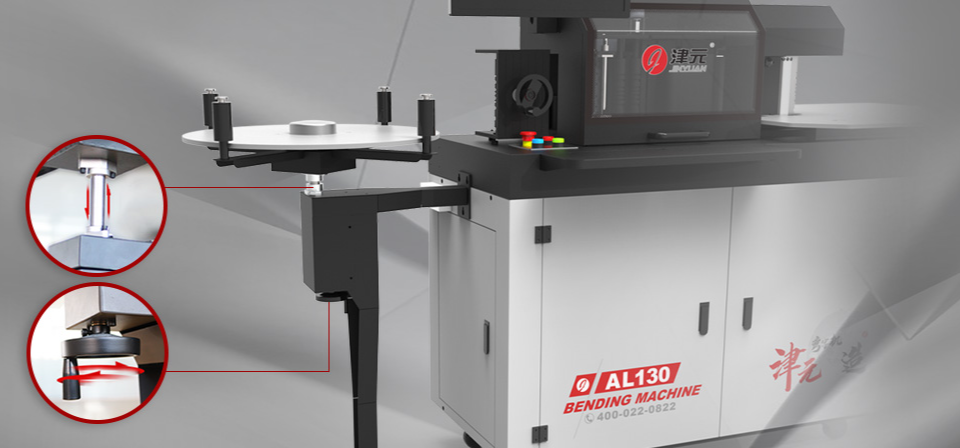
Proper maintenance is crucial for maximizing the lifespan and performance of your type bending machine. Whether you're an operator, maintenance technician, or decision-maker, these 7 essential tips will help you reduce downtime, cut repair costs, and maintain precision bending results. Discover how regular care of your type bending machine can significantly impact your operation's efficiency and bottom line.
1. Regular Lubrication: The Lifeline of Your Type Bending Machine
One of the most critical maintenance tasks for any type bending machine is ensuring proper lubrication. The moving parts of these machines, especially in high-stress areas like the bending arms and hydraulic systems, require consistent lubrication to prevent excessive wear and tear. Industry studies show that over 40% of premature failures in type bending machines stem from inadequate lubrication. Use manufacturer-recommended lubricants and establish a strict schedule based on usage intensity. For heavy-duty operations in steel and profile processing, weekly lubrication might be necessary, while lighter operations could maintain optimal performance with bi-weekly applications. Always clean the lubrication points before applying fresh grease to prevent contamination buildup that can accelerate component degradation.
2. Alignment Checks: Ensuring Precision in Every Bend
Precision is paramount when working with type bending machines, especially in the steel and profiles industry where dimensional accuracy directly impacts product quality and structural integrity. Regular alignment checks should be part of your maintenance routine, with comprehensive inspections recommended at least quarterly. Misalignment, even by fractions of a millimeter, can lead to inconsistent bends, increased material waste, and excessive stress on machine components. Invest in proper alignment tools and consider training your operators to perform basic alignment verifications as part of their pre-shift checks. Documenting alignment trends over time can also help predict when major adjustments might be needed, allowing for planned maintenance rather than emergency repairs.
3. Hydraulic System Maintenance: Preventing Costly Downtime
The hydraulic system is the powerhouse of your type bending machine, and its proper maintenance can mean the difference between smooth operation and expensive breakdowns. Regular hydraulic fluid analysis is a best practice that many forward-thinking steel processing companies are adopting. This proactive approach can detect contamination or degradation of the hydraulic fluid before it causes damage to sensitive components. Change hydraulic filters according to the manufacturer's specifications, and always use the recommended fluid grade. Keep an eye out for leaks, as even small hydraulic leaks can lead to system inefficiencies and potential safety hazards. Consider implementing a preventive maintenance program that includes scheduled hydraulic system checks, especially if your type bending machine operates in demanding environments or handles heavy-gauge materials.
4. Electrical Component Inspection: Safeguarding Against Unexpected Failures
Modern type bending machines incorporate sophisticated electrical systems that control everything from bending angles to pressure settings. Regular inspection of electrical components is essential to prevent unexpected machine stoppages that can disrupt production schedules. Focus on checking wiring insulation for wear, ensuring tight connections at terminals, and verifying the proper functioning of safety switches and sensors. Dust and metal particles common in steel fabrication environments can accumulate on electrical components, potentially leading to short circuits or malfunction. Implement a cleaning schedule using appropriate methods (never use compressed air on sensitive electronics) and consider installing additional protective measures in particularly dusty operations. For companies with multiple type bending machines, creating a standardized electrical inspection checklist can help maintain consistency across your maintenance team.
5. Tooling Maintenance: Protecting Your Most Critical Components
The tooling on your type bending machine directly contacts the material being formed, making it susceptible to wear and damage. Regular inspection and maintenance of dies, punches, and other tooling components can significantly extend their service life and maintain bending precision. Establish a routine for checking tooling surfaces for cracks, chips, or excessive wear. Proper storage of tooling when not in use is equally important – tools should be cleaned, lightly oiled, and stored in designated racks to prevent accidental damage. For operations that process different types of steel or profiles, consider implementing a tooling rotation system to distribute wear more evenly across multiple sets. Documenting tooling usage and maintenance can help predict replacement needs and budget accordingly, which is particularly valuable information for financial decision-makers in your organization.
6. Operator Training: Your First Line of Defense in Machine Maintenance
While dedicated maintenance personnel are essential, well-trained operators serve as the first line of defense in preserving your type bending machine's condition. Comprehensive operator training should include not just machine operation but also basic maintenance awareness and troubleshooting. Operators should be able to recognize early warning signs like unusual noises, vibration patterns, or changes in bending performance that might indicate emerging issues. Implement a daily checklist for operators that includes visual inspections, basic cleaning, and lubrication point verification. For companies in the steel and profiles industry, where type bending machines often represent significant capital investments, the return on investment from thorough operator training can be substantial. Consider periodic refresher courses and cross-training to ensure all team members maintain their skills and awareness.
7. Documentation and Trend Analysis: The Smart Approach to Predictive Maintenance
Implementing a robust documentation system for all maintenance activities on your type bending machine provides valuable data for predictive maintenance strategies. Record every service, adjustment, and repair, noting dates, parts replaced, and any observations about machine performance. Over time, this data can reveal patterns that help predict when specific components might need attention. Many forward-thinking steel processing companies are moving from reactive maintenance to predictive models using this historical data combined with modern monitoring technologies. For decision-makers, this approach offers better budget control and reduced unplanned downtime. Even without sophisticated monitoring systems, consistent documentation allows maintenance teams to make more informed decisions about when to service or replace components, optimizing both machine performance and maintenance costs.
Why Proper Maintenance Matters for Your Bottom Line
The steel and profiles industry faces increasing pressure to maximize equipment utilization while controlling costs. A well-maintained type bending machine directly contributes to both objectives by minimizing unplanned downtime, reducing scrap rates, and extending the machine's productive lifespan. Financial decision-makers should recognize that every dollar invested in proper maintenance typically returns several times that amount in avoided repair costs and production losses. When evaluating maintenance budgets, consider the total cost of ownership rather than just upfront or reactive repair expenses. Companies that implement comprehensive maintenance programs for their type bending machines often find they gain a competitive edge through more reliable production schedules and consistently high product quality.
FAQs About Type Bending Machine Maintenance
The Future of Type Bending Machine Maintenance
As Industry 4.0 technologies continue to advance, maintenance practices for type bending machines are evolving rapidly. Predictive maintenance systems using IoT sensors can now monitor vibration, temperature, and performance parameters in real-time, alerting technicians to potential issues before they cause downtime. For steel and profile processors considering new equipment purchases, these smart capabilities are becoming standard expectations rather than premium options. Even for existing machines, retrofit sensor packages can often provide valuable operational insights. The integration of augmented reality for maintenance procedures and digital twin technology for simulation and troubleshooting represents the next frontier in type bending machine care. Forward-looking companies are already preparing their teams for these advancements through targeted training and gradual technology adoption.
Ready to Optimize Your Type Bending Machine Performance?
Implementing these maintenance best practices for your type bending machine can dramatically improve your operation's efficiency and profitability. Whether you need assistance developing a customized maintenance program, sourcing quality replacement parts, or training your team in proper machine care, our experts are ready to help. With extensive experience in the steel and profiles industry, we understand the unique challenges you face and can provide tailored solutions to maximize your equipment's lifespan and performance. Contact us today to schedule a consultation and discover how we can help you get the most from your type bending machine investment.
RECENT NEWS
Online Message
Inquire Now
Your comprehensive manufacturing solutions partner, we empower global enterprises to optimize production efficiency and drive business growth through our self-developed CNC equipment, proprietary software, and full-chain services.